

Understanding what drives the movement of a stock is essential for both seasoned investors and those contemplating their first foray into the markets. When it comes to companies like Abu Dhabi Ports Group, a dynamic entity at the heart of one of the Middle East’s most strategic economic sectors, stock performance is influenced by a mix of global trade trends, regional economic policy, operational milestones, and broader investor sentiment. For anyone tracking the performance of this company or considering exposure to the sector, appreciating these forces provides clarity and can empower more informed decisions.
In this post, we dive into the key factors that influence the price movements of Abu Dhabi Ports Group shares. By placing these drivers in context, we aim to demystify the mechanisms that underlie stock volatility and long-term performance. Whether you are analysing recent shifts or preparing for future market developments, the insights shared here offer a grounded perspective rooted in economic and financial realities.
Global Trade and Shipping Industry Dynamics
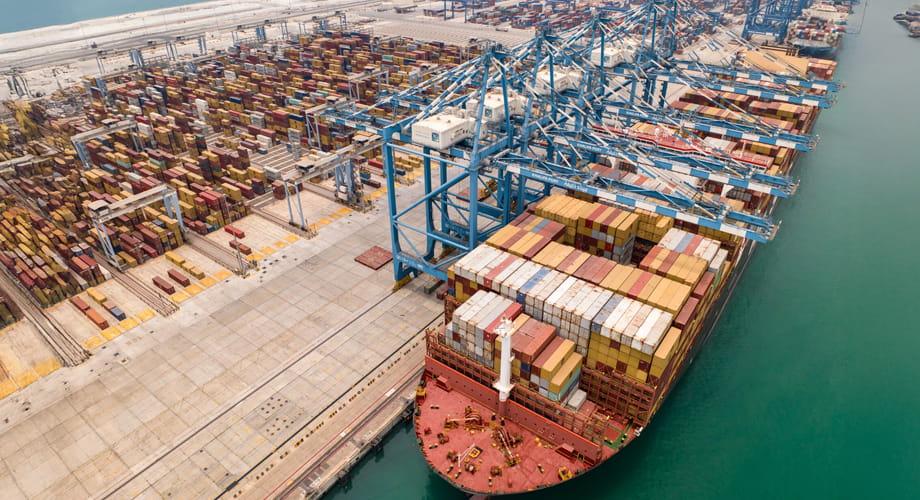
The most obvious and direct influence on the performance of a ports operator’s stock is the global trade environment. Ports play a critical role as hubs of import and export activity, handling cargo flows that reflect the health of international commerce. Increases in global trade volume tend to boost revenue for port operators as higher container throughput and vessel calls translate into greater utilisation of terminals and associated services.
Conversely, when global trade slows, port activity can stagnate or even decline, putting pressure on earnings and investor expectations. Factors such as geopolitical tensions, trade policy shifts, or economic contractions in major economies can disrupt trade flows. For example, tariff disputes between large trading nations or economic downturns in key markets can reduce cargo movements, weakening demand for port services. As a result, stock prices for major port operators, including Abu Dhabi Ports Group, may react negatively to such trends.
It is important to emphasise that ports do not operate in isolation. Their performance is tied to the broader logistics ecosystem, including shipping lines, freight forwarders, and hinterland connections like rail and road networks. When disruptions occur anywhere along this chain, the reverberations ultimately affect port throughput and, by extension, the company’s financial performance.
Regional Economic Policies and Infrastructure Development
The economic landscape of the United Arab Emirates (UAE) and, in particular, Abu Dhabi’s strategic development goals shape the trajectory of Abu Dhabi Ports Group. The government’s push to diversify the economy away from hydrocarbon dependence toward logistics, manufacturing, and tourism has placed ports at the centre of national economic planning. Infrastructure projects such as the expansion of Khalifa Port and the development of integrated logistics zones boost the long-term growth prospects for the industry.
Public policy initiatives that promote foreign investment, free trade zones, and international partnerships often enhance the attractiveness of ports as gateways for global commerce. When government strategy signals sustained investment in transport and logistics infrastructure, investor confidence can rise, supporting stock valuation for companies closely aligned with these objectives. For up-to-date operational and financial information, investors often refer to the official ADPorts Group equities page.
Conversely, delays or changes in policy direction can create uncertainty. Large-scale infrastructure projects often involve significant capital expenditure and long development timelines. If progress stalls, cost projections shift, or regulatory environments become ambiguous, this uncertainty can weigh on market sentiment and stock performance. In the context of Abu Dhabi Ports Group, monitoring policy developments at both the federal and emirate levels is essential for understanding how political and economic decisions may influence future earnings.
Operational Performance and Financial Results
At the company level, operational execution and financial outcomes play a central role in shaping investor expectations and stock movements. When a company reports revenue growth, margin expansion, or new contracts, these are typically interpreted as signs of strength and potential future earnings. Such announcements can drive share prices upward as investors price in improved performance.
Conversely, results that fall short of market expectations, whether due to lower cargo volumes, rising costs, or underperformance in specific business segments, can trigger sell-offs. For a diversified ports operator, performance across different terminals, services, and geographic markets must be viewed holistically. Strong performance in one area may not fully offset weaknesses elsewhere, but the overall narrative investors derive from quarterly or annual results is what ultimately influences market valuation.
Beyond headline financial results, investors often look for indications of operational efficiency and cost control. Effective management of labour costs, technological upgrades that streamline port operations, and initiatives that improve turnaround times can enhance competitiveness and profitability. Such operational improvements, when effectively communicated through earnings calls and investor presentations, support a positive perception of the company’s long-term prospects.
Conclusion
Stock movements for a major ports operator like Abu Dhabi Ports Group are shaped by a combination of global trade trends, regional economic policy, operational performance, commodity price dynamics, and broader market sentiment. Each of these factors interacts with the others, creating a landscape in which investors must continually assess both macroeconomic forces and company-specific developments.
By understanding these key drivers, investors and observers can better interpret stock price fluctuations and make more informed decisions. Whether analysing quarterly earnings, tracking changes in trade volumes, or monitoring policy announcements, a holistic perspective enables a deeper appreciation of the forces at work.


